Table of Contents
Drywall repair before painting can mean filling a few nail holes, replacing failed tape or repairing damaged corners. Water stains need a closer look at what caused them.
When I inspect a Vancouver home for repainting, I look at the damage, its location and when it appeared. Those clues help me decide what needs fixing and how much work the repair involves. Renaissance has been painting homes in Vancouver since 1992, and drywall repair is part of almost every interior painting project we take on.
What drywall repairs need attention before painting?
On a room inspection, I look for:
- Nail holes, dents and small divots.
- Holes left by removed wall anchors.
- Larger holes or previous patches that need attention.
- Cracks and drywall seams where the tape has separated.
- Loose or damaged corner bead - the trim that forms an outside corner.
- Torn facing paper where something was glued to the wall and pulled off.
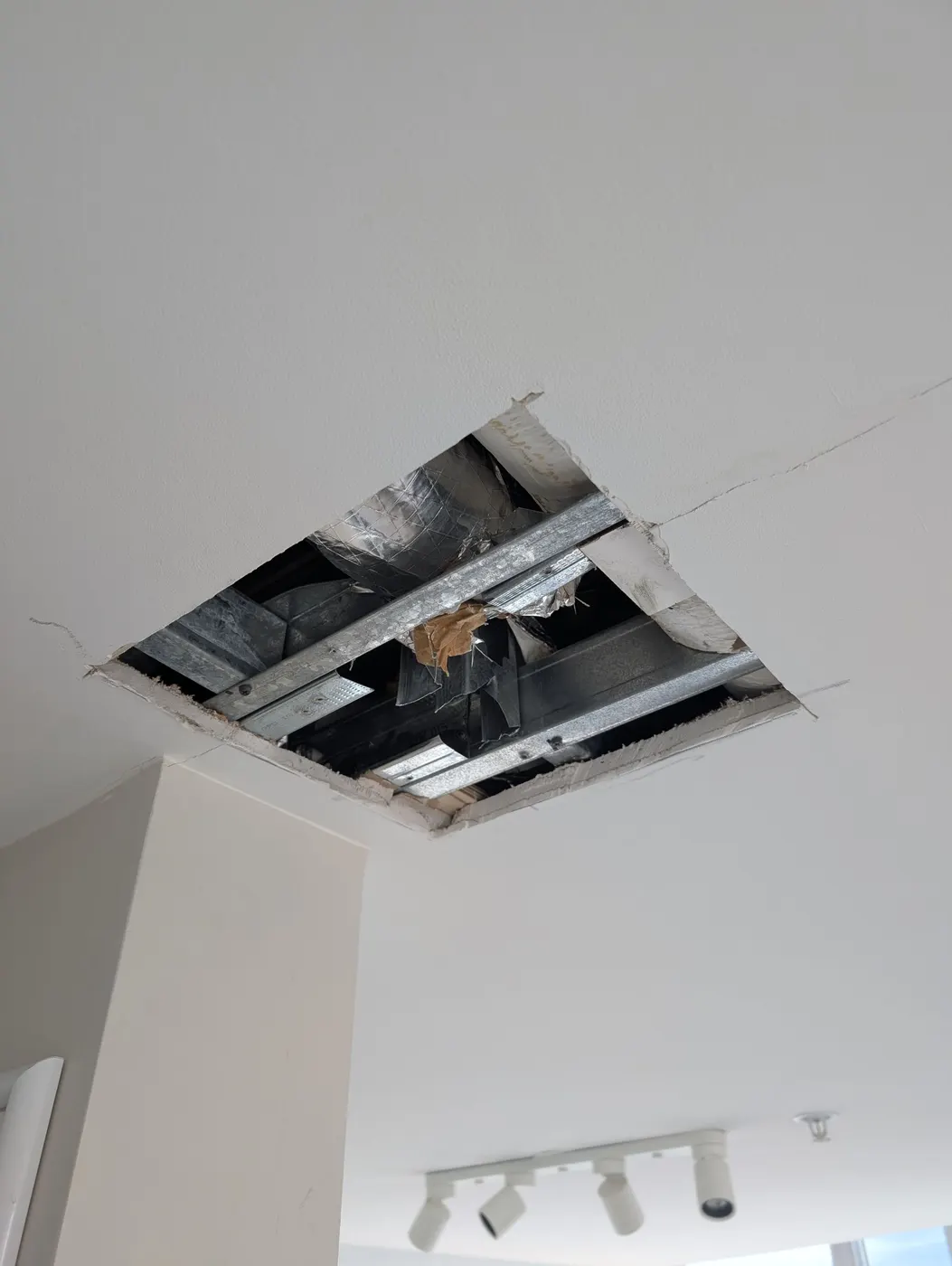
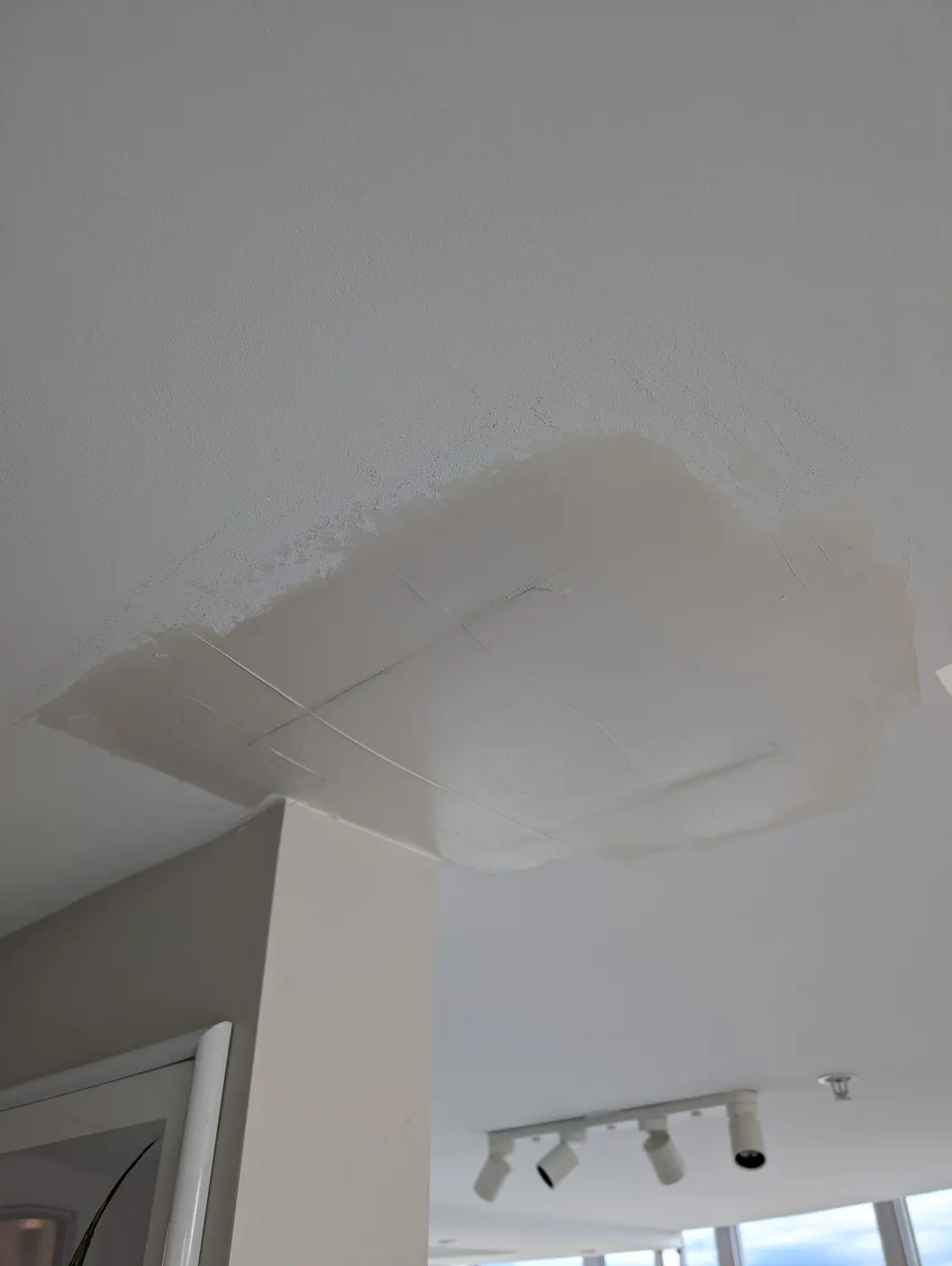
- Water stains, damp areas or damaged seams.
The inspection separates small surface defects from damage that needs a more involved repair. Here is how each one usually fits into a painting estimate:
| Drywall problem | Why fix it before painting | In our estimates |
|---|---|---|
| A few small nail holes, minor divots | Show as dimples and shadows under fresh paint | Normally included in prep |
| Old anchor holes, larger holes, old patches | Need a proper patch, not just filler | Normally quoted as additional work |
| Cracks and failed tape seams | Return through new paint if only filled over | Normally quoted as additional work |
| Loose or damaged corner bead | Cracks and chips through the finish | Normally quoted as additional work |
| Torn drywall facing paper | Bubbles under filler unless sealed first | Assessed on site |
| Water stains | Bleed through paint; may signal a moisture problem | Minor spot stain blocking included; repairs quoted |
Small holes and larger patches
A few small nail holes and an occasional divot are normally part of our painting preparation.
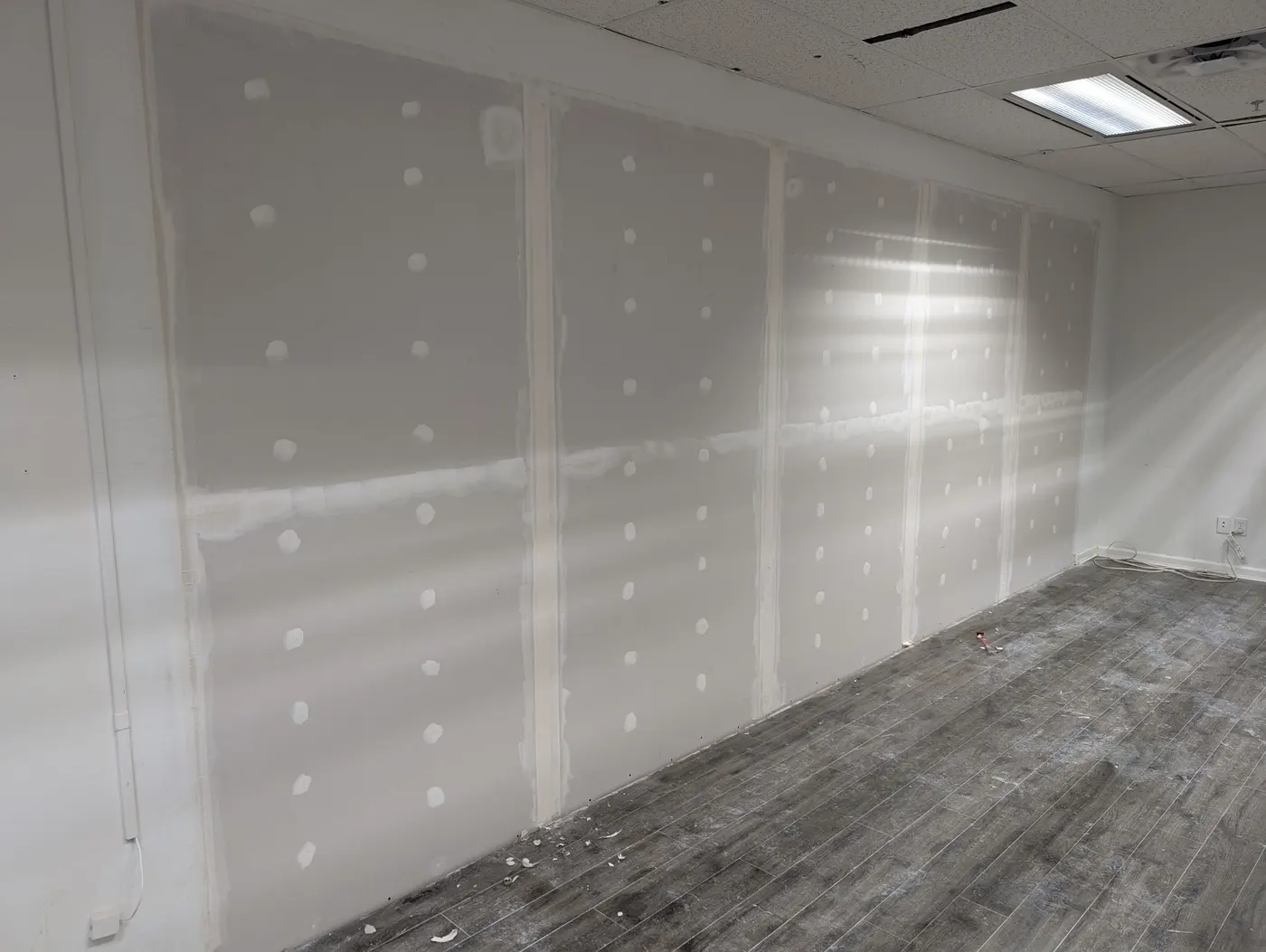
A larger hole or patch is additional work. The repair method depends on the size of the opening and the condition of the surrounding drywall.
Point out old wall anchors and previous repairs during the estimate. That helps us agree on the work before painting starts.
Failed seams and damaged corners
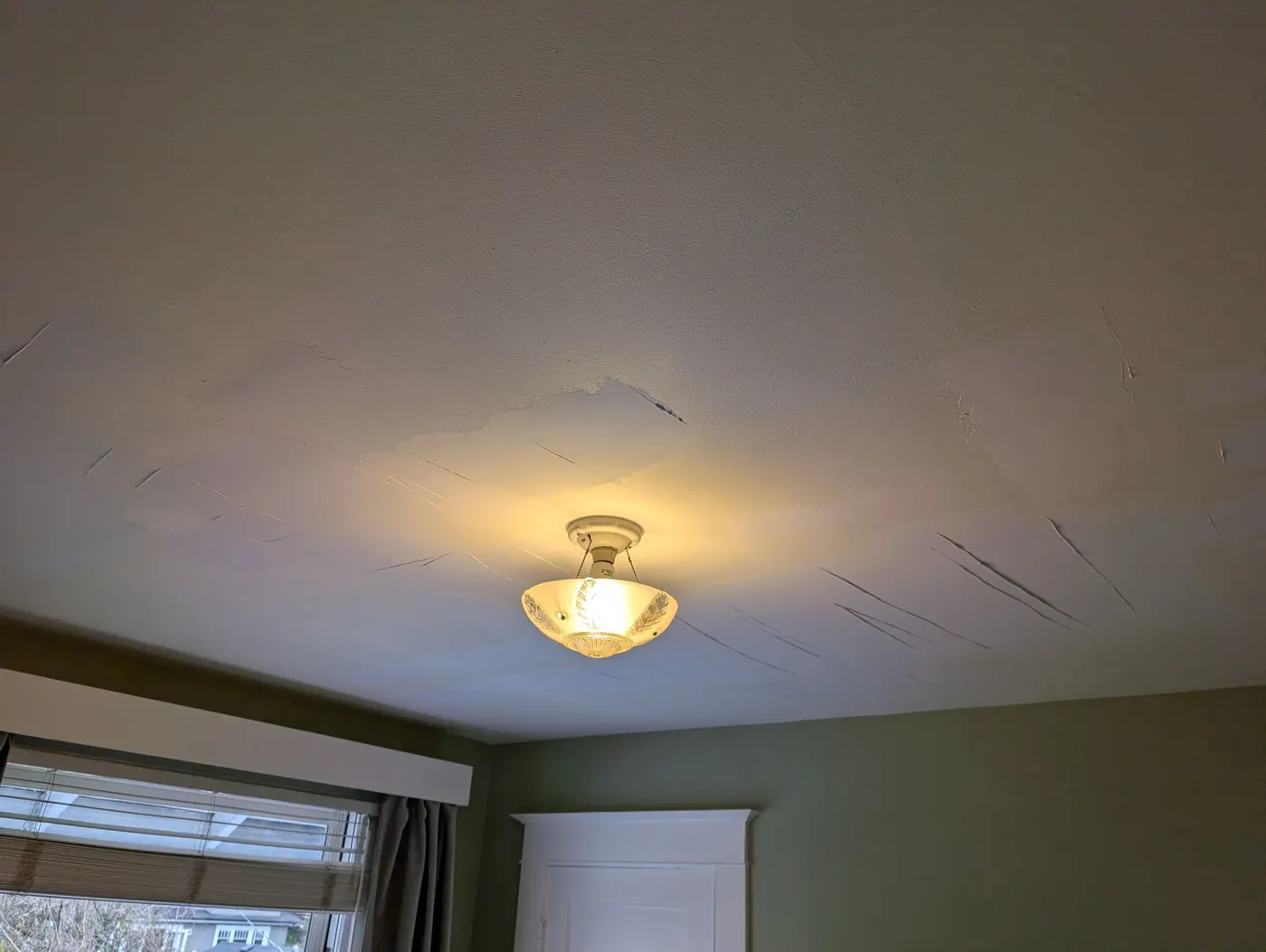
A raised or separated drywall seam needs assessment before filling. Poor taping, building movement, or framing that has shrunk as it dried can all be causes.
For failed tape, we cut back to where it is still firmly attached. Our usual approach is to embed replacement paper tape in joint compound, then apply successive finishing coats.
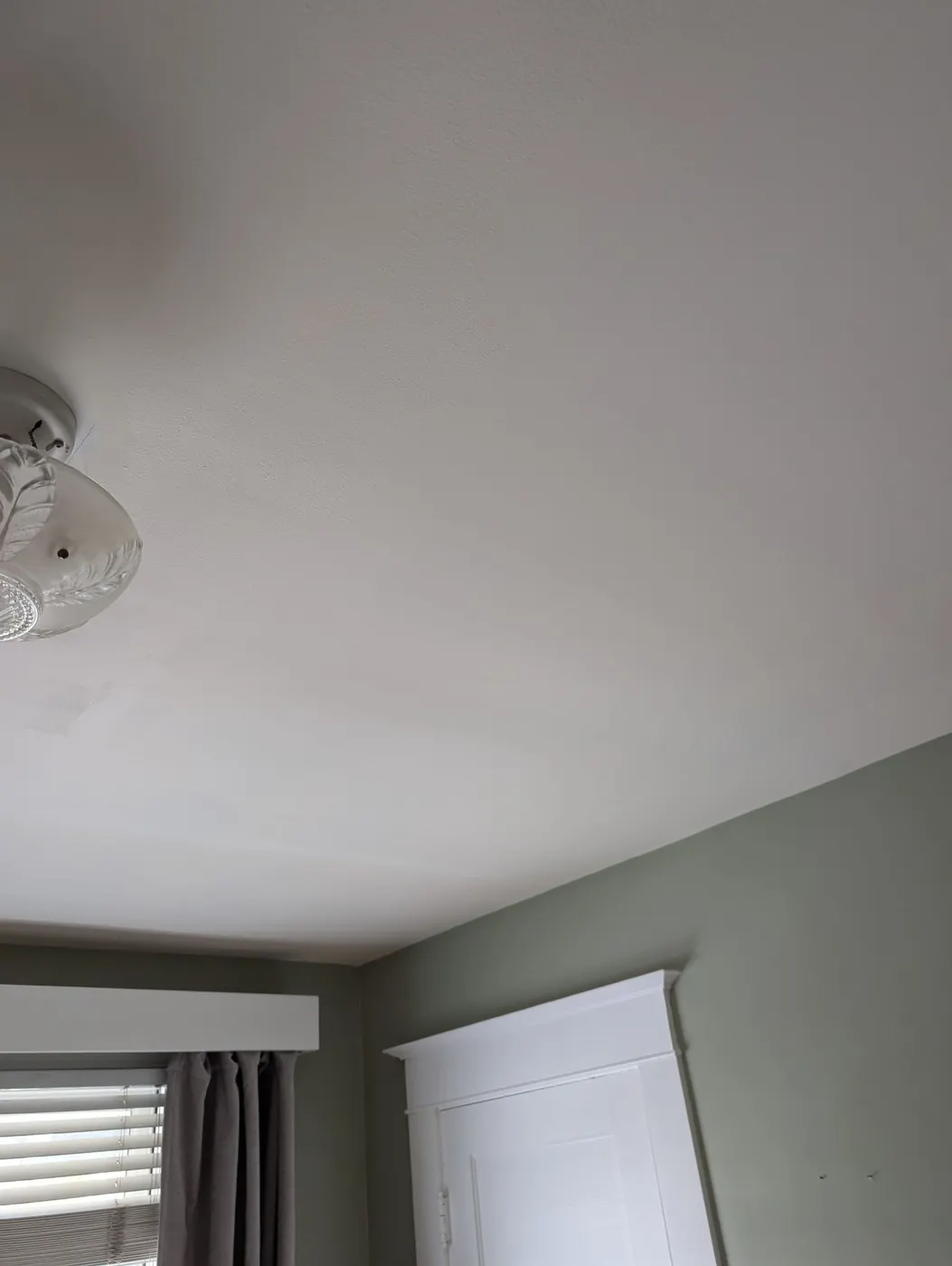
Loose or damaged corner bead also needs repair before painting. These repairs are normally separate from routine preparation.
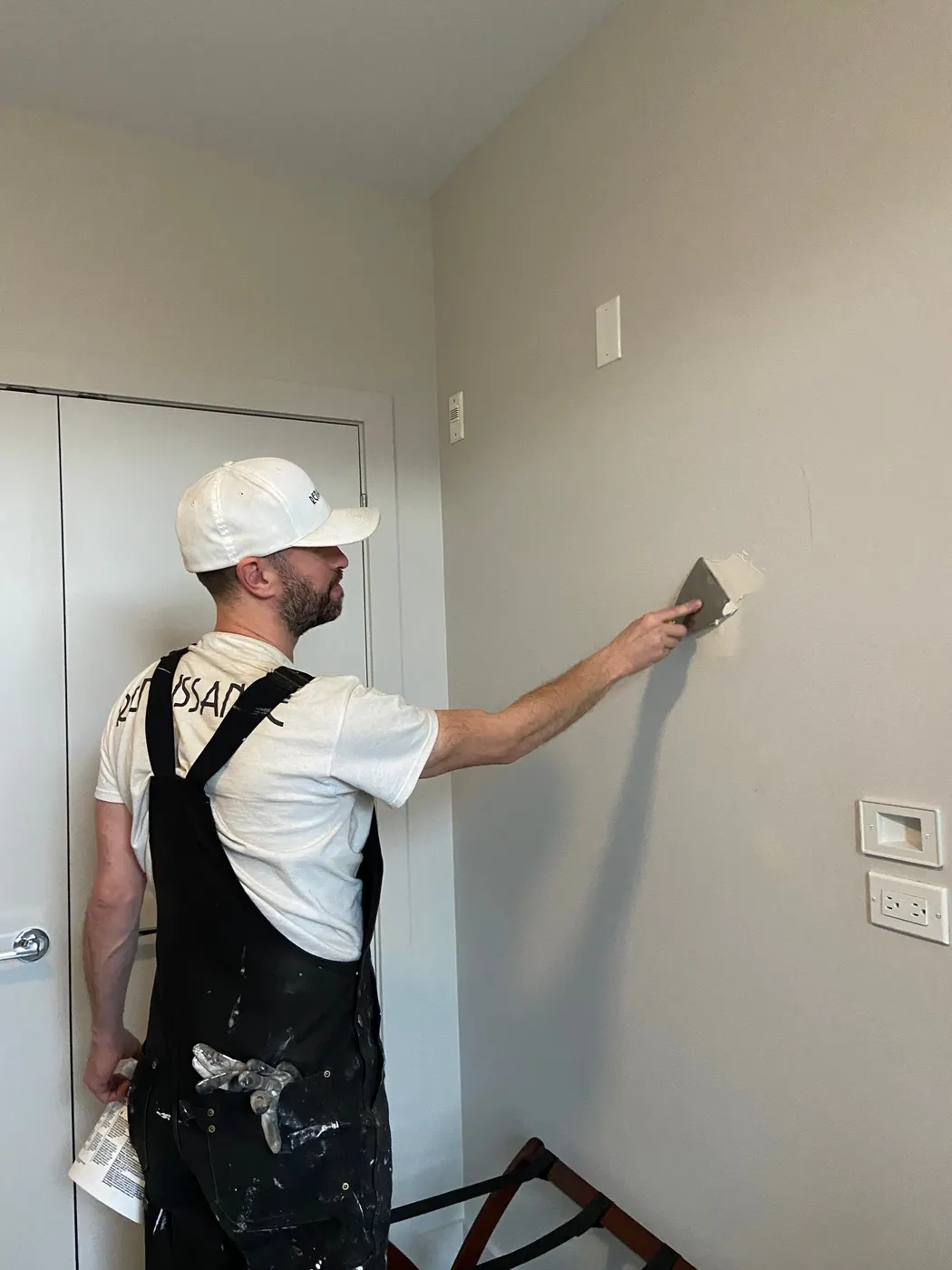
Torn drywall paper
Adhesive hooks, glued decorations and removed fittings can pull away the paper facing.
Loose paper needs cutting back to a firm area. Sealing the exposed damaged paper with a suitable product before filling helps prevent bubbling beneath the repair. Sherwin-Williams documents this approach in its damaged-drywall preparation instructions. If paint has already bubbled on a wall, see our guide to fixing bubbled paint on walls and ceilings.
The repair then needs filling, drying, sanding and priming before finish paint.
Water-damaged drywall: check the cause first
When I find water damage, I want to know where the water came from and whether that problem has been resolved. I also check whether the area is still damp and whether the board remains sound and solid.
In the clean-water damage I have dealt with, the repair often involves replacing failed tape and treating water marks. Board that is breaking down needs a different assessment.
The Gypsum Association's guidance on water-damaged gypsum board (GA-231) also considers contamination, drying history and the board's condition.
A suitable stain-blocking primer helps prevent old water marks coming through the new paint. The moisture source and damaged material still need attention first.
Sewage and contaminated floodwater damage are outside our scope. Those situations call for a restoration company.
What is included in the painting price?
For our interior painting projects in Vancouver, the estimate should distinguish routine preparation from additional repairs.
Normally included:
- A few small nail holes.
- Occasional minor divots.
- A little spot stain blocking where needed.
Normally quoted as additional work:
- Larger holes or substantial patches.
- Failed drywall seams.
- Corner-bead repairs.
- Water-damage repairs beyond minor stain treatment.
- Numerous areas requiring stain-blocking primer.
We usually group the larger repairs into a separate line item. The number of areas and the repair required affect that scope. For bigger jobs, our drywall repair and painting service covers patching, taping and finishing by the same crew that paints.
The Master Painters Institute's interior repainting guide specification distinguishes surface preparation from damage requiring repair or replacement. That distinction is why "painting preparation" needs a clear description in any estimate.
Our painting process explains how repairs fit into the wider project.
Why a repaired patch can still show
Filling the hole is only part of making the repair blend into the wall.
We sand and blend the repaired area, prime it and work to match the existing texture. If the surrounding paint was rolled, the repaired area needs a compatible roller texture.
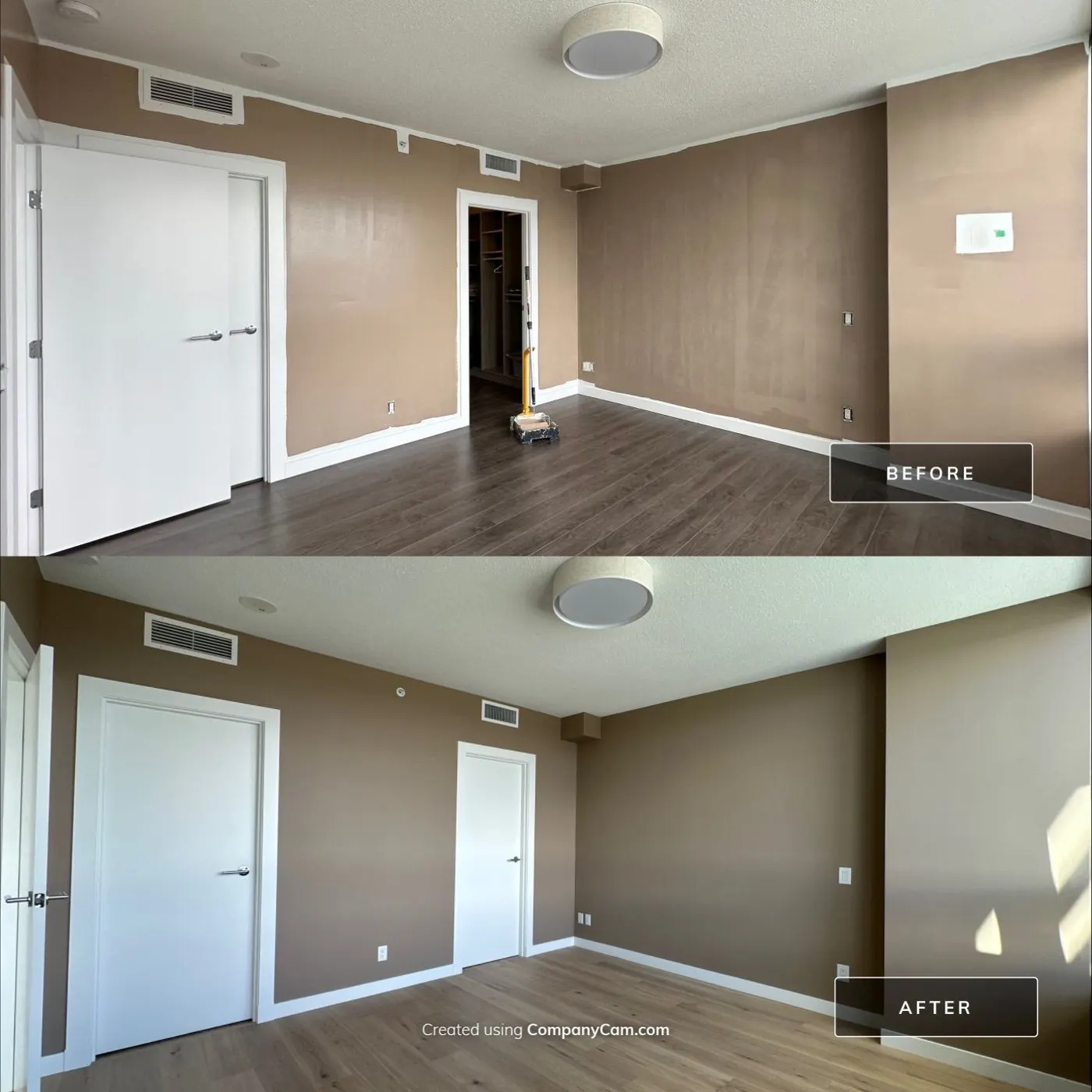
Colour matching is another consideration. A new can of paint may leave a noticeable difference beside an existing finish.
A local touch-up can be a time or budget choice. We explain that it may remain visible. Sometimes the result becomes clear only after the repair has been primed and painted.
Repainting the wall corner to corner may be needed for a more consistent colour and sheen. The repair itself still needs proper preparation.
Discuss dust and older materials before work starts
Inside occupied homes, we often use a dust-control compound to help contain sanding dust. Homeowners should also ask about protection and cleanup arrangements.
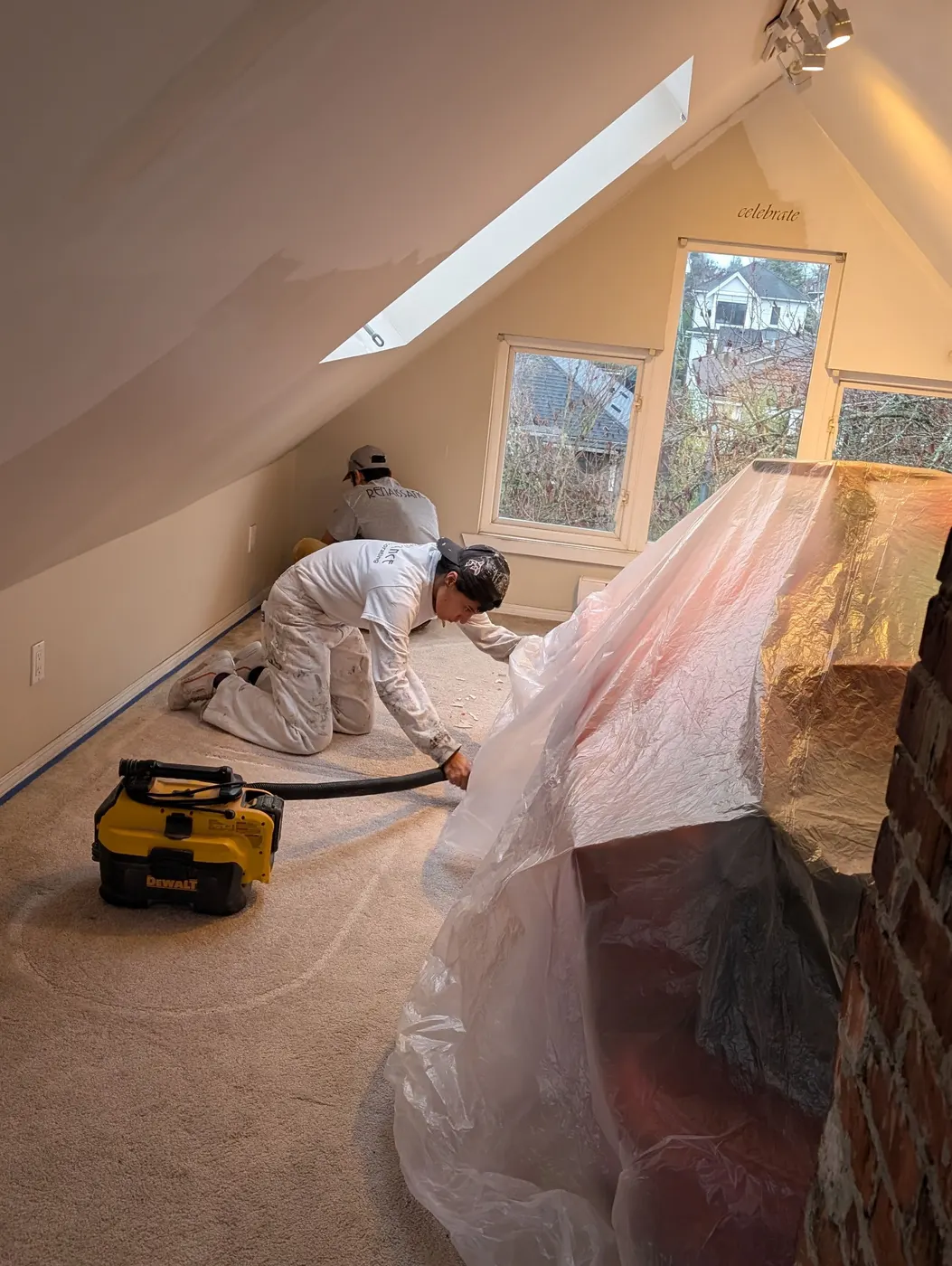
Older joint compounds can contain asbestos. WorkSafeBC's drywall safety guidance explains the risks. Have suspected asbestos assessed by a qualified professional before disturbing the material.
Common questions about drywall repair before painting
Can you paint over a crack in drywall?
Not without assessing it first. The crack's location, condition and history help determine the repair and whether further investigation is needed. A crack that is only filled and painted over often comes back.
Does water-stained drywall always need replacing?
No, but it needs assessment. The water source, contamination, drying history and the board's condition decide whether it can be repaired and sealed or must be replaced.
How long must a drywall repair dry before painting?
The repair needs to be dry enough for the next stage under the product's instructions. Repair depth and room conditions such as temperature and humidity affect timing.
Do drywall patches need primer before painting?
Yes. A repair is filled, dried, sanded and primed before finish paint. Priming helps the patch take paint the same way as the surrounding wall.
Can you paint just the repaired area?
Sometimes. We assess the match after painting the repair and explain when a whole-wall repaint, corner to corner, will give a more consistent colour and sheen.
What should I ask a painter about drywall repairs before accepting an estimate?
Ask which repairs are included, which are additional, and whether the price covers local touch-ups or repainting whole walls.
You can also read reviews from Renaissance customers when comparing contractors.
Contact Renaissance to discuss your wall repairs and interior painting estimate or call 604-670-3353.